Skip to content
Routes that support relaxed, practical riding

Routes and outdoor inspiration

This section helps you plan rides that feel comfortable and predictable. Instead of chasing distance targets, we focus on what beginners actually need: safe surfaces, sensible stops, weather-aware timing, and a route that matches your confidence level. Use these frameworks to create a ride plan you can repeat, adjust, and enjoy across different seasons.

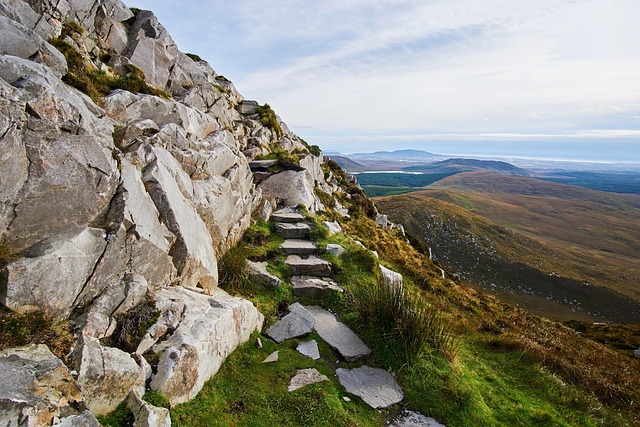
coastal cycling route Ireland calm outdoor ride planning map

A practical ride brief

  • Surface choice you can handle comfortably
  • Wind and rain plan with a simpler return route
  • Stops and safe pull-ins for water, layers, and checks
  • Daylight-aware timing and reliable lights

Tip: start with a route you can exit easily. Confidence builds when you control your options.

How to choose a route

A calm, beginner-friendly approach that prioritises predictability and safe margins.

A good recreational route is one that matches your skills and your bike setup. Start by choosing surfaces you already know: quiet roads, shared paths, or well-maintained lanes. Then think about how the route behaves in Irish conditions. Wind can change effort and control, and wet roads can increase braking distance and reduce traction on paint, metal covers, and leaves. Plan a loop only when you have reliable confidence in distance and timing; out-and-back routes are often easier for beginners because you can turn around when needed. Include safe stopping points where you can pull fully off the road to adjust layers, check tyres, or re-position lights. Finally, keep your first versions short and repeatable. Repeating a simple route teaches you what changes with weather and daylight, and it helps you learn pacing without stress.

Surface and traffic

Prefer predictable surfaces first, then gradually add gravel, lanes, or mixed paths when you are comfortable. Choose times with lower traffic and avoid narrow sections without safe shoulder space when possible.

Weather and daylight

Build extra time into your plan and carry a light layer. Use lights even in grey conditions and plan for earlier sunsets in winter so you are not rushed on the way home.

Stops and comfort

Plan a stop you can reach without stress. Early breaks help you check fit, hands, and hydration. Comfort issues are easier to fix when noticed early in a ride.

Safety margins

Keep a simple exit option: a short-cut home, public transport awareness, or a known safe meeting point. The goal is to stay calm if conditions change.

If your route includes fast descents, tight corners, or mixed surfaces, practise braking and cornering in a safe, low-traffic area first. Use our Guides section to build those fundamentals step by step.

Route styles you can build

Use these patterns as templates. They are not performance goals. They are structures that support comfort, learning, and safer decision-making.

Out-and-back confidence ride

Start from a familiar point and ride to a clear landmark. Turn back when you feel fresh, not when you are forced to. This route style teaches pacing and makes it easy to shorten the plan if weather shifts.

Best for: first rides, windier days, and testing clothing layers.
Small loop with safe exits

Build a compact loop that stays close to home with optional add-ons. You can finish early if needed and still feel that you completed a full route. Add distance slowly by extending one section at a time.

Best for: building routine, commuting practice, and improving navigation.

Mixed-surface explorer

Combine quiet roads with a short, manageable gravel or park section. Keep speeds conservative and plan tyre pressure and lights accordingly. This format helps you learn traction and bike handling gently.

Best for: gravel-curious riders and building comfort on varied terrain.

Urban skills route

Practise steady starts, controlled stops, and clear signalling on a route with safe junctions and predictable crossings. Choose off-peak times and treat it as skills practice, not speed.

Best for: commuting confidence and improving road awareness.

Group-friendly social ride

Choose a route with clear meeting points and a simple pace plan. Include wider sections for riding two-abreast only when appropriate, and keep regroup spots frequent so nobody feels left behind.

Best for: community sessions and introducing friends to cycling.

Short evening reset

A short route designed for consistency. Keep it local, keep it lit, and focus on smooth pedalling and relaxed breathing. This format is excellent for testing lights, clothing layers, and bike noises.

Best for: routine building and checking bike condition after work.

What to pack for a calm ride

Packing is not about bringing everything. It is about having the essentials to stay safe and comfortable if conditions change. Even short rides can become longer if you get a puncture or the weather turns. Keep your kit simple, organised, and easy to check before leaving.

Tools and spares
  • Pump and a spare tube
  • Tyre levers and a small multitool
  • Quick link if your chain uses one
Comfort and safety
  • Lights and a simple reflective element
  • Thin rain layer or wind layer
  • Water and a small snack if needed
cyclist checking bike lights at dusk safe riding outdoors

A note on navigation

Keep navigation simple at first. Write down key turns, keep a small note in your pocket, and plan a route with obvious landmarks. When you add new sections, add them one at a time so you know what changed if you need to shorten the ride.

If you are riding alone, tell someone your rough plan and expected return time. It is a calm habit that improves safety without adding complexity.

FAQ

Short answers to common route planning questions, especially for riders who are building confidence.

How far should my first recreational route be?
Pick a distance you can repeat comfortably and finish feeling steady. For many beginners, a short out-and-back is ideal because you can turn around early. Focus on time, comfort, and control rather than a specific number.
What should I do if the wind picks up?
Slow down, keep your grip relaxed, and give yourself more space around traffic and kerbs. If gusts are pushing you, choose a calmer return option or turn back. A conservative decision is part of good route planning.
Is it okay to ride after rain?
Yes, with a safety mindset. Braking distances increase and traction can drop on paint lines, metal covers, and leaves. Use lights, reduce speed in corners, and clean the bike after gritty rides to protect components.
How do I avoid getting lost without complex setup?
Start with familiar roads, use a short list of key turns, and choose routes that follow obvious landmarks like a coastline, canal, or park boundary. Build gradually by adding one new section per ride so you learn it properly.

Connect routes to maintenance

Outdoor conditions affect your bike. After wet rides, a quick rinse with low pressure, a wipe-down, and chain care can prevent noise and wear. If you plan mixed surfaces, tyre pressure and brake checks become even more important.

If your brakes feel weak, your steering feels loose, or a wheel rubs, stop and inspect before continuing. A safe ride is always the priority.

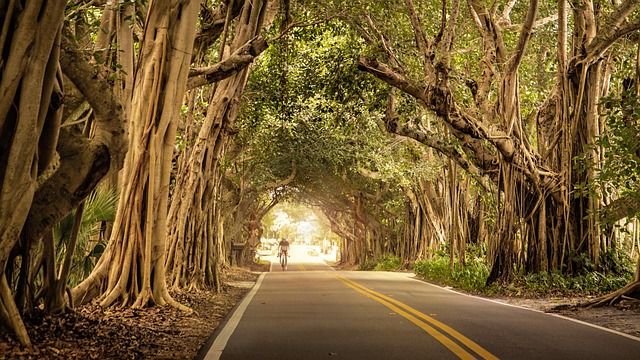
gravel path cycling outdoor exploration Ireland countryside

Outdoor exploration works best when you keep your plan simple, your lights reliable, and your bike quietly maintained.

See community ride formats