
What a session looks like
Most sessions can be done in 60 to 90 minutes. Start with a short bike check, then practise one skill at a time. End with a calm route segment and a quick reflection so people leave with clear next steps.
Educational formats only. Plan sessions according to local rules, conditions, and participant comfort.
Session formats
Community learning works best when it is predictable. These formats create a supportive rhythm: check, practise, ride, reflect.
Confidence and safety refresher
A low-pressure skills session focused on scanning, signalling, braking control, and comfortable road positioning. Ideal for riders returning after time off or anyone building confidence in mixed conditions.
- 10-minute bike check and visibility setup
- Braking drills in a quiet area
- Short calm route with planned stops
Workshop night: clean and inspect
A hands-on maintenance routine that teaches riders how to clean a bike safely, spot early wear, and reduce squeaks and rattles. Designed for simple home setups, not full workshops.
- Drivetrain wipe-down and lubrication
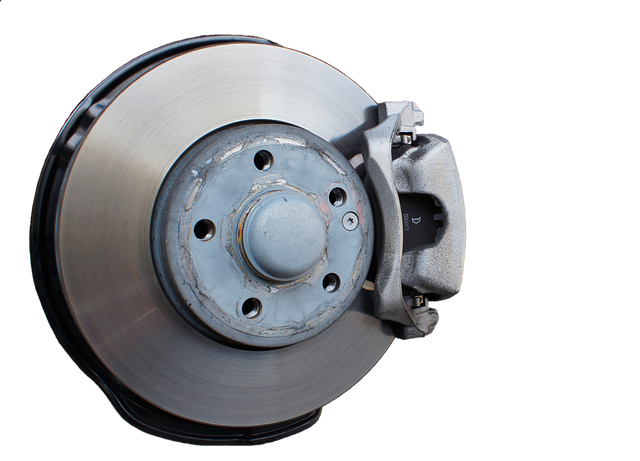
- Brake check: lever feel and pad wear
- Tyre inspection and pressure routine
Route planning and outdoor comfort
A practical session for choosing a route that fits the group, reading surfaces, and planning stops. Focus is on comfort and predictability rather than distance or speed.
- Surface awareness and wind planning
- Layering basics for changeable weather
- Group stop points and regroup habits
New rider orientation
A welcoming introduction to cycling culture and simple expectations: hand signals, spacing, stopping safely, and communicating issues. Useful for mixed-experience groups.
- Bike setup basics and fit check
- Group etiquette and communication
- Short confidence loop with support
Facilitator note
A good session is not about perfection. Keep skills small and repeatable. Use quiet locations, encourage riders to speak up early about discomfort, and treat mechanical uncertainty as a reason to pause and learn, not to rush. If a bike shows signs of unsafe wear, postpone the ride portion until it has been inspected by a qualified mechanic.
Workshop interest form
If you would like to request a community-style session outline, share the group size, general location in Ireland, and the learning topic you want to focus on. We only collect the information needed to respond to your enquiry, and we do not request sensitive personal data.
How we use your information
We use your message to reply with educational suggestions and session formats. If you consent to being contacted, we may follow up once to clarify details. You can request deletion of your message at any time via the contact email shown in the footer.
Prefer to read first?
If you are not sure what to request, start with the guides. They help you identify which session format fits your group and which workshop steps are safe to do at home.
FAQ
Quick answers to common questions about community-style learning sessions.
Are sessions suitable for complete beginners?
Do I need to bring tools to a workshop night?
What if someone has a mechanical issue during a ride?
How should we choose routes for mixed experience levels?
Connect learning with real practice
The best learning happens when concepts become habits. Use the Workshop section for repeatable routines and the Routes section for calm outdoor planning that supports confidence.
Community principle
Everyone rides their own ride. A supportive session protects confidence: no pushing, no shaming, and no assumptions. The goal is safe learning and an enjoyable outdoor routine.