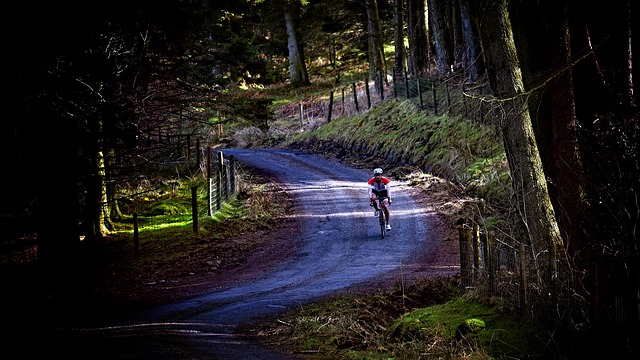
A simple starting point
If you are new to cycling, start with fit and safety checks, then learn a few maintenance routines that keep your bike quiet, predictable, and easier to ride. Our guides are written for real-world conditions: rain, grit, headwinds, and mixed road surfaces.
Educational content only. Always follow local traffic rules and your bike manufacturer instructions.
What we do
A calm, practical platform for learning cycling basics and bicycle care.
ShamrockPost publishes beginner-friendly guidance on riding skills, bike setup, and maintenance routines that help cyclists feel prepared for everyday riding. Our goal is simple: reduce confusion and increase confidence. We break down topics like tyre pressure, braking control, shifting technique, and wet-weather visibility into small, understandable steps, supported by workshop-style checklists that you can apply at home. The platform is inspired by real workshop experience and a European cycling culture that values practicality, good tools, and a reliable bike over hype. You will also find route-planning fundamentals, outdoor comfort tips, and gear explanations focused on function, fit, and safety. We keep the tone community-oriented and educational, with content suitable for people returning to cycling or starting from scratch. Whether you ride a hybrid, road bike, gravel bike, or commuter, our aim is to help you build consistent habits: pre-ride checks, cleaning schedules, and simple adjustments that prevent common issues and improve the overall ride experience.
Structured topics that build from basics to practical skills, so you can learn without feeling overwhelmed.
Checklists, tool explanations, and maintenance routines designed for home setups and small spaces.
We are education-first. When we mention equipment, it is to explain how it works, how to choose safely, and how to maintain it for long-term use.
Features and learning areas
Explore focused sections built for real riding conditions and practical bike ownership.
Beginner cycling guides
Step-by-step learning for bike types, fit basics, cadence, braking, and cornering. Written to help you feel stable and in control on everyday rides.
Safety and riding confidence
Visibility, signalling, traffic positioning, and wet-weather habits. Learn how to plan a ride and reduce surprises with simple checks and decisions.
Maintenance and workshop tutorials
Cleaning routines, chain care, brake checks, puncture fixes, and noise troubleshooting. Learn what to do, what to avoid, and when to seek a professional.
Routes and outdoor culture
Route inspiration, surface awareness, packing lists, and comfort tips for relaxed outdoor rides. Focused on practical planning rather than performance targets.
Understanding gear without the noise
Accessories can improve comfort and reliability when chosen for the right reason. We explain tyres, lights, locks, helmets, clothing layers, and tool kits in plain language, with emphasis on fit, compatibility, and safe use. The goal is to help you make informed choices and avoid common beginner mistakes.
Typical topics we cover
- Pre-ride check: tyres, brakes, chain, bolts, and quick releases
- Wet-weather care: cleaning grit safely and preventing corrosion
- Carrying essentials: pump, levers, tube, multitool, and lights
- Comfort basics: saddle height, handlebar reach, and layer systems
How it works
A simple flow that helps you learn, practise, and ride with fewer surprises.

-
1
Pick a learning track
Start with beginner riding basics, a safety refresher, or a maintenance topic you need today. Each guide is designed to be read quickly and applied immediately.
-
2
Follow workshop-style steps
Use checklists to learn how to inspect common wear points, set tyre pressure, check brake feel, and keep the drivetrain clean. We explain which tools help and which shortcuts can cause damage.
-
3
Plan a calm ride and practise
Choose a route that matches your comfort level. We cover surface awareness, weather planning, and pacing for recreational rides so you can focus on skills rather than pressure.
-
4
Join community learning
Use the Community section to find group-friendly learning topics, workshop session formats, and etiquette for riding with others. If you reach a point where a task needs a professional mechanic, we explain the signs so you can ask the right questions.
FAQ
Common questions from beginners and returning cyclists, answered in plain language.
What should I check before every ride?
How often should I clean my bike in Irish weather?
Do I need special tools to do basic maintenance?
What is the safest way to start riding on roads?
Want a structured starting point?
Use the Guides section as your table of contents: riding basics, safety habits, equipment understanding, and maintenance routines. Each topic is designed to stand alone, so you can learn what you need without reading everything.
If a guide suggests checking bolts or adjusting brakes, and you feel unsure, pause and seek help from a qualified mechanic. Safety matters more than finishing a task quickly.
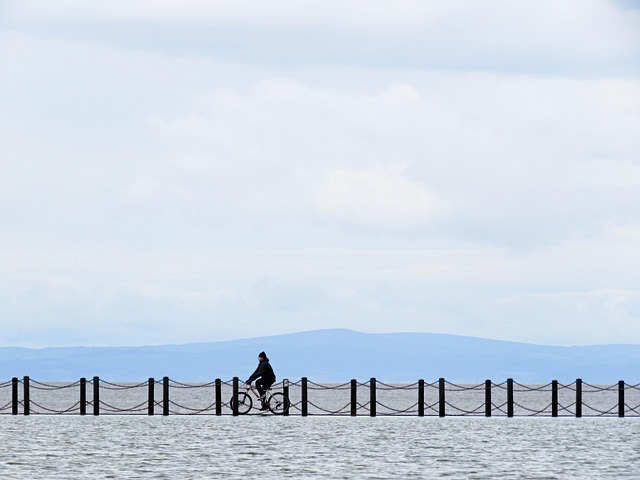
Route inspiration focuses on comfort and practicality: wind, surface, and safe stopping points matter as much as distance.
Browse RoutesDisclaimer
The information on this website is for informational and educational purposes only and does not constitute medical, legal, or professional mechanical advice. Cycling involves risk. Always wear appropriate safety equipment, follow Irish road rules, and consult qualified professionals for complex repairs or if you are unsure about the condition of your bicycle. Before attempting any maintenance, review your bicycle manufacturer documentation and use tools correctly. If a component appears damaged or unsafe, discontinue riding until it has been inspected by a qualified mechanic.